

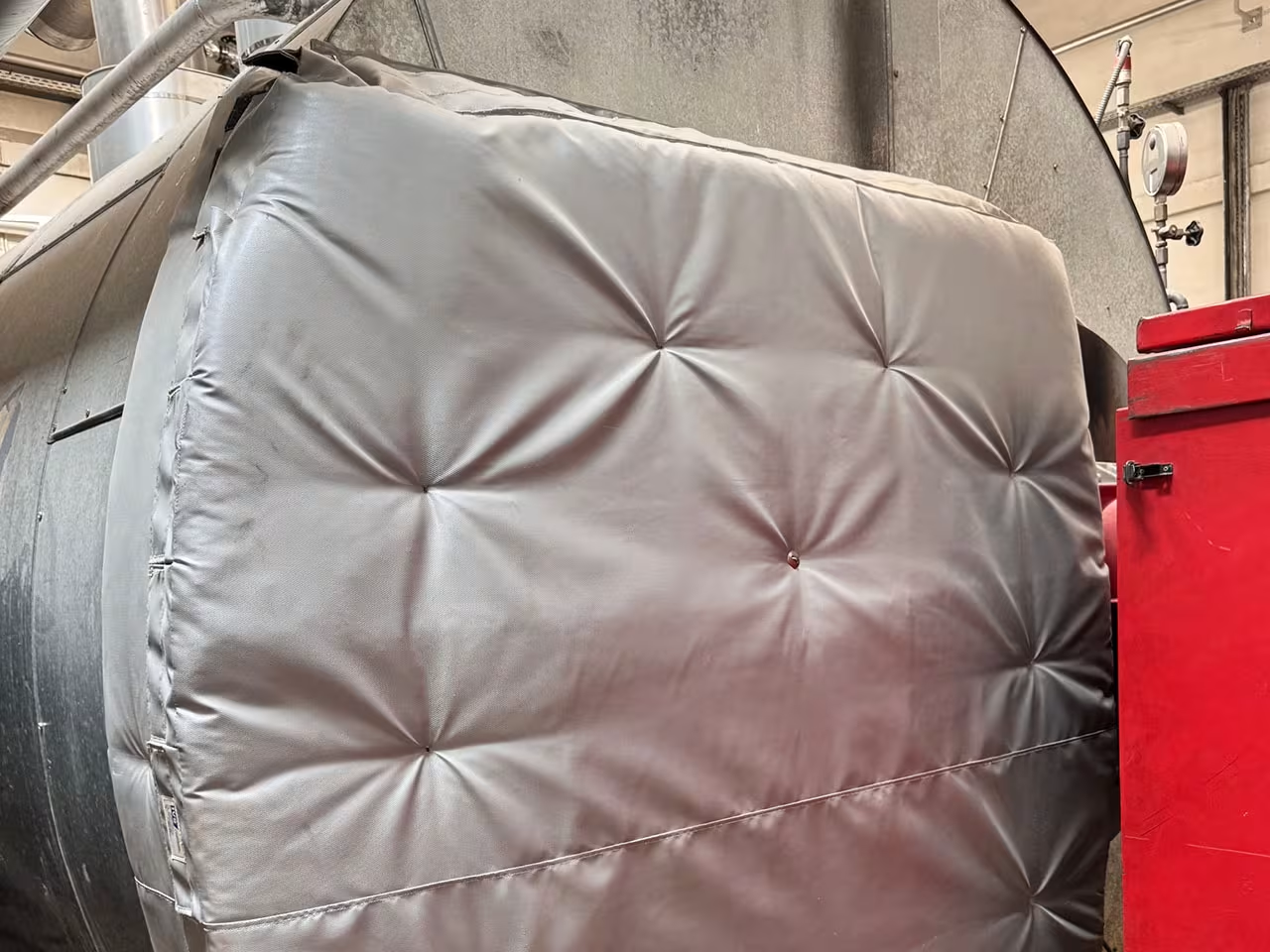

IVS manufactured several covers for our fire station, among them covers for radiators and equipment. In terms of surveying, execution, manufacturing and the final appearance the result is outstanding. Thank you for that on behalf of the Kummerow lakeside community. Genuine craftsmanship still exists here.
What milk processors expect from us
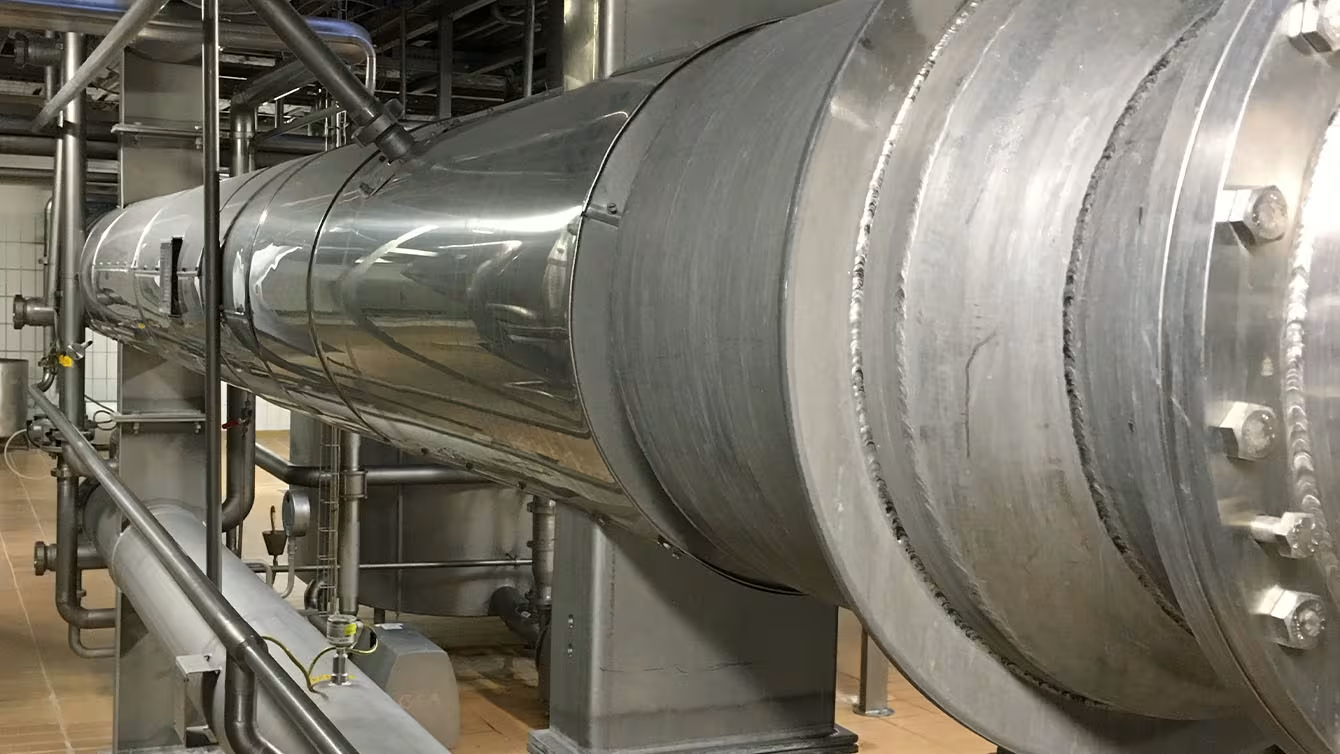
Milk processing is a hygiene operation of the first order: every weld seam and every cladding joint has to be tight and easy to clean. V4A stainless steel (1.4571) is the standard here for areas exposed to cleaning chemicals, V2A for uncritical outer jackets.
We supply stainless steel jackets fitted precisely for pasteurisers, UHT plants, raw milk tanks and storage vessels, from our own prefabrication hall in Malchin. Welded, free of contamination and with documented material records. Your installations work in changing temperature zones: hot during pasteurisation at 72-95 °C, very hot during UHT at 135-150 °C, cold at storage tanks at 2-4 °C. Every zone needs its own insulation system, with matching vapour barriers and thermal bridge details.
Surveying during ongoing operation, prefabrication in Malchin, installation between cleaning cycles: that is the typical approach at dairies. We know the HACCP requirements and work without affecting your hygiene certification.
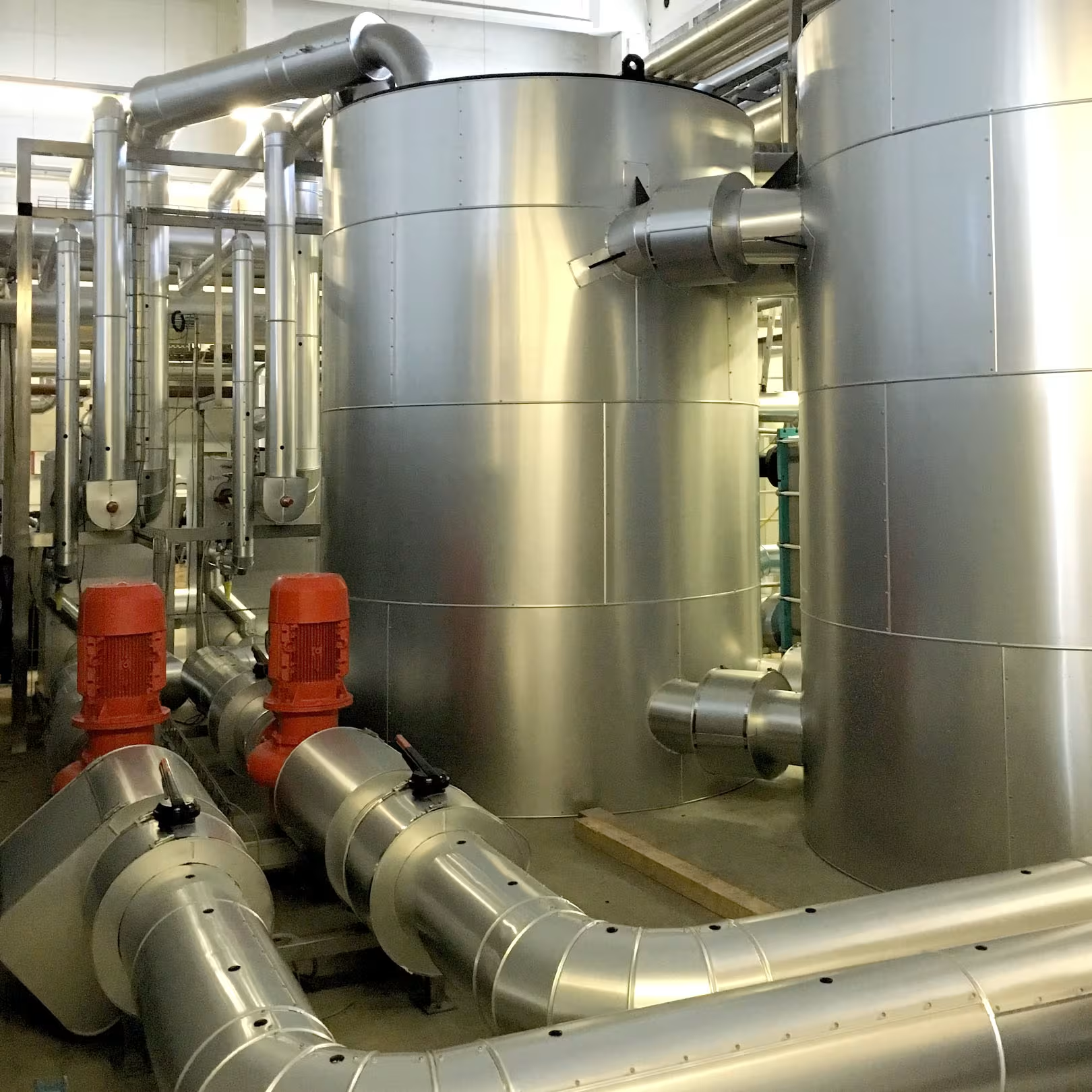
Use in dairies
Pasteurisers & UHT plants: thermal insulation with a V4A jacket fitted precisely to plate heat exchangers, tubular heat exchangers and sterilisation lines. The cladding keeps inspection hatches and sensors cleanly accessible without creating hygiene weak points. On UHT lines with medium temperatures above 135 °C we choose mineral wool in precisely fitted formed parts that follow the flow geometry, so that neither pressure nor vibration damages the insulation. Pasteuriser sections with alternating heating and cooling zones get transition details that separate each zone thermally and cleanly. We supply material certificates for V4A stainless steel and photo documentation of the cladding alignment: the basis for hygiene auditing and for the IFS or BRC certification of your plant. For extensive modernisations we coordinate with your plant builder and provide the insulation as a supply to final assembly, so that the works receives ready-to-install modules.
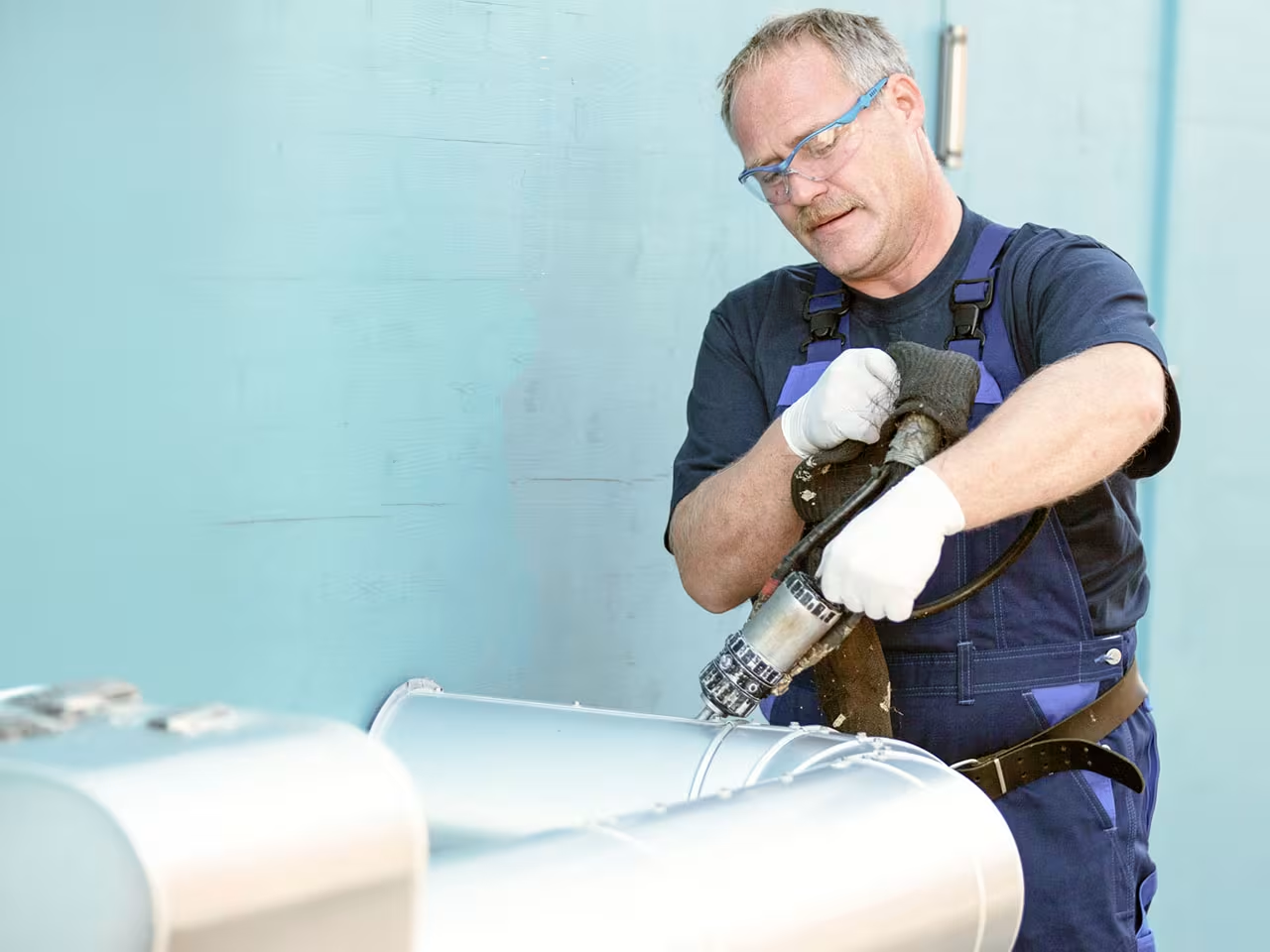
Raw milk tanks & storage vessels: cold insulation with a continuous vapour barrier on vertical and horizontal tanks. We prevent condensation on the jacket and protect the tank surface against corrosion. PUR/PIR rigid foam or mineral wool, depending on the required service life and the cleaning regime. Storage temperatures between 2 °C and 4 °C stay stable for years without energy losses or condensation. We finish the connection details at agitators, sampling points and cleaning accesses hygienically: no water-retaining zones, no bacterial nests, no gaps in which cleaning chemicals can remain. When tanks are replaced or added we coordinate with your dairy site manager and work between delivery cycles, so that ongoing milk processing is not affected. On request we also take on the survey and the thermal calculation as a preliminary service, before the tank is even in place.
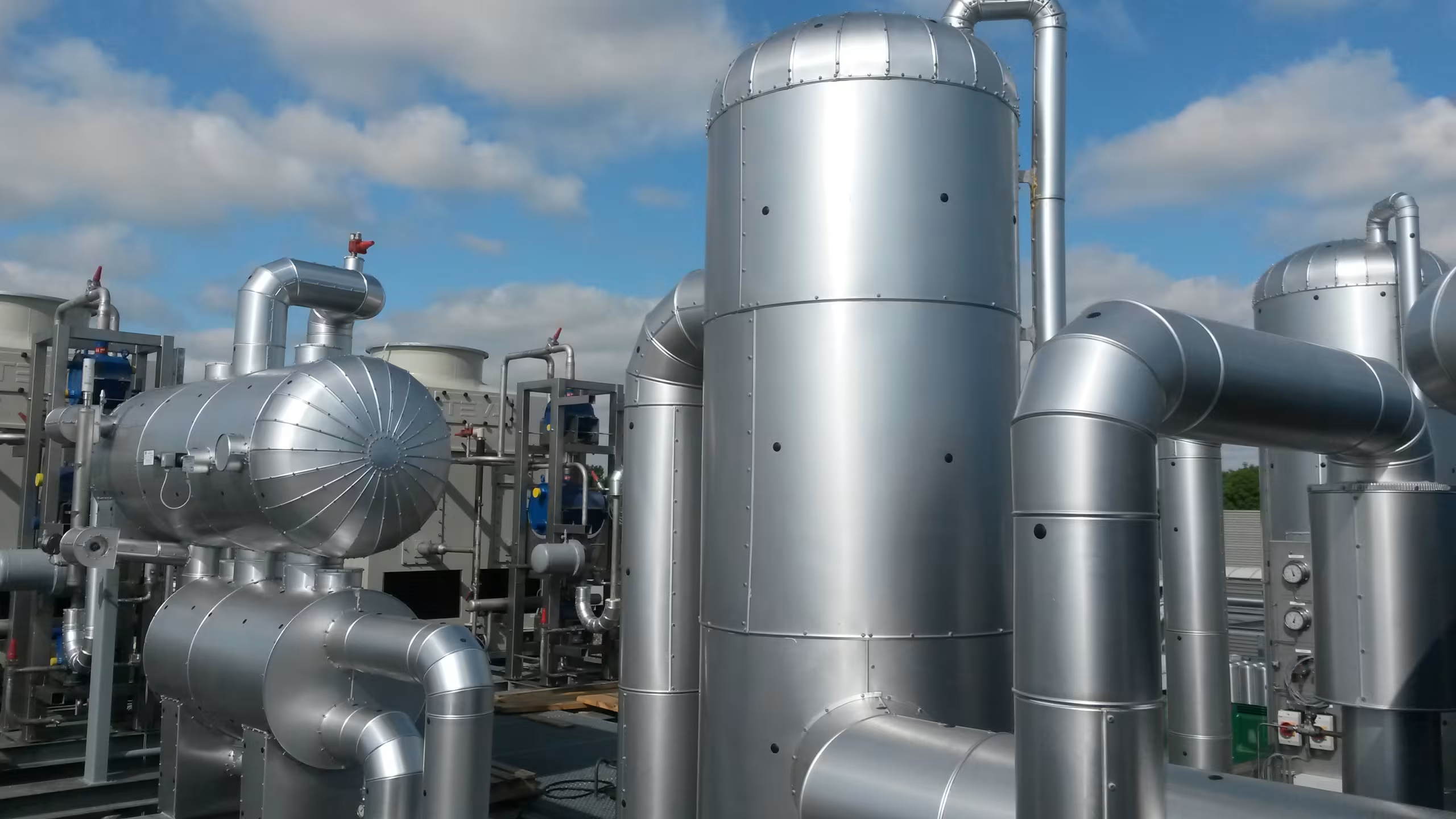
Pipework & heat exchangers: prefabricated shells and formed parts for milk, water, brine and CIP lines. Cladding sheet in V2A or V4A, depending on the cleaning agents used. Connection details at pumps, valves and sampling points are finished hygienically, so that no gaps or cavities are created in which cleaning chemicals could remain. We calculate the insulation thickness from the medium temperature and the desired surface temperature: important so that contact protection values under the German accident insurance rules are met and energy losses minimised. For plate heat exchangers with frequent cleaning cycles we choose hood constructions that can be removed quickly and close tightly again after every CIP cycle without tools. Cladding joints are executed so that even aggressive cleaning media such as nitric acid do not attack the system.
Storage & filling: tank insulation in the filling area, hygienic jackets on the connecting lines to the packaging line. For extensions or conversions we work section by section, so that the production line does not come to a complete standstill. Transitions between cold and warm zones are handled with special details that resolve thermal bridges and prevent condensation. Where hygiene requirements are particularly strict, our cladding meets the applicable specifications, with documented processing in the separate stainless steel hall. On request we accompany commissioning with thermal imaging that proves the insulation as built matches the calculated values: important for audits, for energy consultants and for you as the operator. The work is agreed and documented on a project basis.
Our services for milk processors
Hygiene first: four coordinated disciplines for the entire process chain of milk processing.
-
Cold insulation
Raw milk and storage tanks at 2-4 °C, cold insulation with a V4A jacket and a continuous vapour barrier.
-
Thermal insulation
Pasteurisers at 72-95 °C and UHT plants at 135-150 °C, V4A thermal insulation fitted precisely to plate heat exchangers.
-
PUR foaming
Foamed-in components and sandwich construction for deep-freeze and tank areas.
-
Project planning
Complete project support: surveying, prefabrication in Malchin, installation between CIP cycles.
What our customers say
Voices from dairies and milk processing operations.

Hygiene for your dairy
CIP plants, pasteurisers and storage tanks need insulation that is safe to clean and free of condensation. Describe the installation and the temperatures to me and we will come back with a hygienic build-up.
Yes, section by section. We coordinate the work with your cleaning schedule and work between CIP cycles. For larger renewals, prefabrication runs in parallel in Malchin and the actual downtime on the line is reduced to a few hours.
V4A to material 1.4571 as the standard version. For special cases with particularly aggressive cleaning media (e.g. nitric acid cleaning) we choose higher-grade materials on request. Material certificates are supplied with the work.
With a calculated insulation thickness and a continuously tight vapour barrier. The vapour barrier stops humidity from entering the insulation system. Without it, condensate would collect inside the insulation and lead to corrosion within a short time — a no-go on food tanks.
Yes. Our cladding is hygienic in design: tight joints, easy-to-clean surfaces, no water-retaining areas. We take cleaning chemicals, CIP flow paths and hygiene zone separation into account in the planning.
Through clear temperature zones with adapted insulation systems and clean transition details. The hot area gets mineral wool or calcium silicate, the cold area PUR/PIR rigid foam with a vapour barrier. The cladding alignment stays continuous, so visually it looks like one installation.
Yes. We manufacture stainless steel jackets fitted precisely for pasteurisers (72-95 °C), UHT plants (135-150 °C) and raw milk and storage tanks, from our own prefabrication in Malchin, welded and processed free of contamination.
Yes. Every stainless steel jacket is delivered with a documented material record: important for your hygiene certification and audits. On request we also document the execution of details such as vapour barriers and cladding joints.